Built for the messy part of research
PaperBanana exists for the moment when the paper is getting sharper, but the visuals are not keeping up. Instead of treating figures like generic image prompts, we treat them as part of the research argument: they need structure, consistency, and enough clarity to survive review.
A few examples reused from the homepage gallery
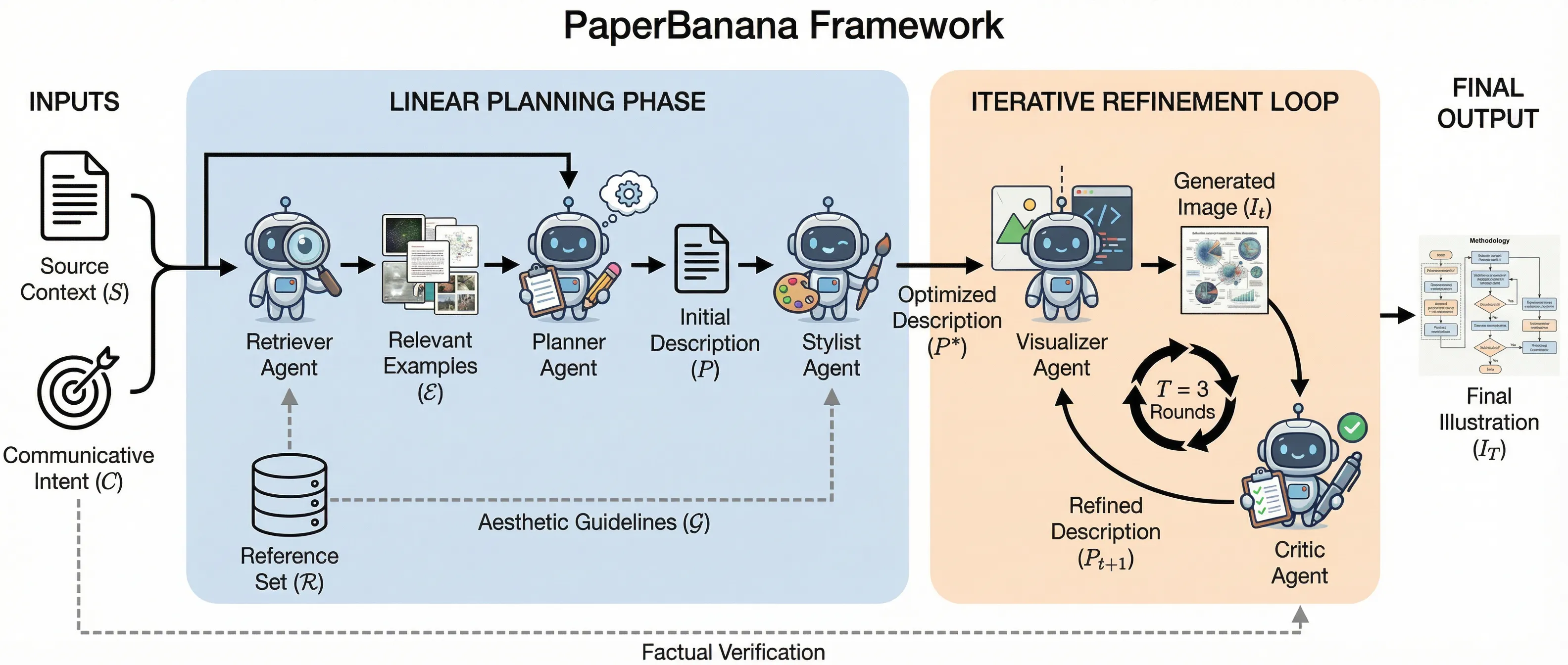
Multi-agent planning framework with iterative refinement loop
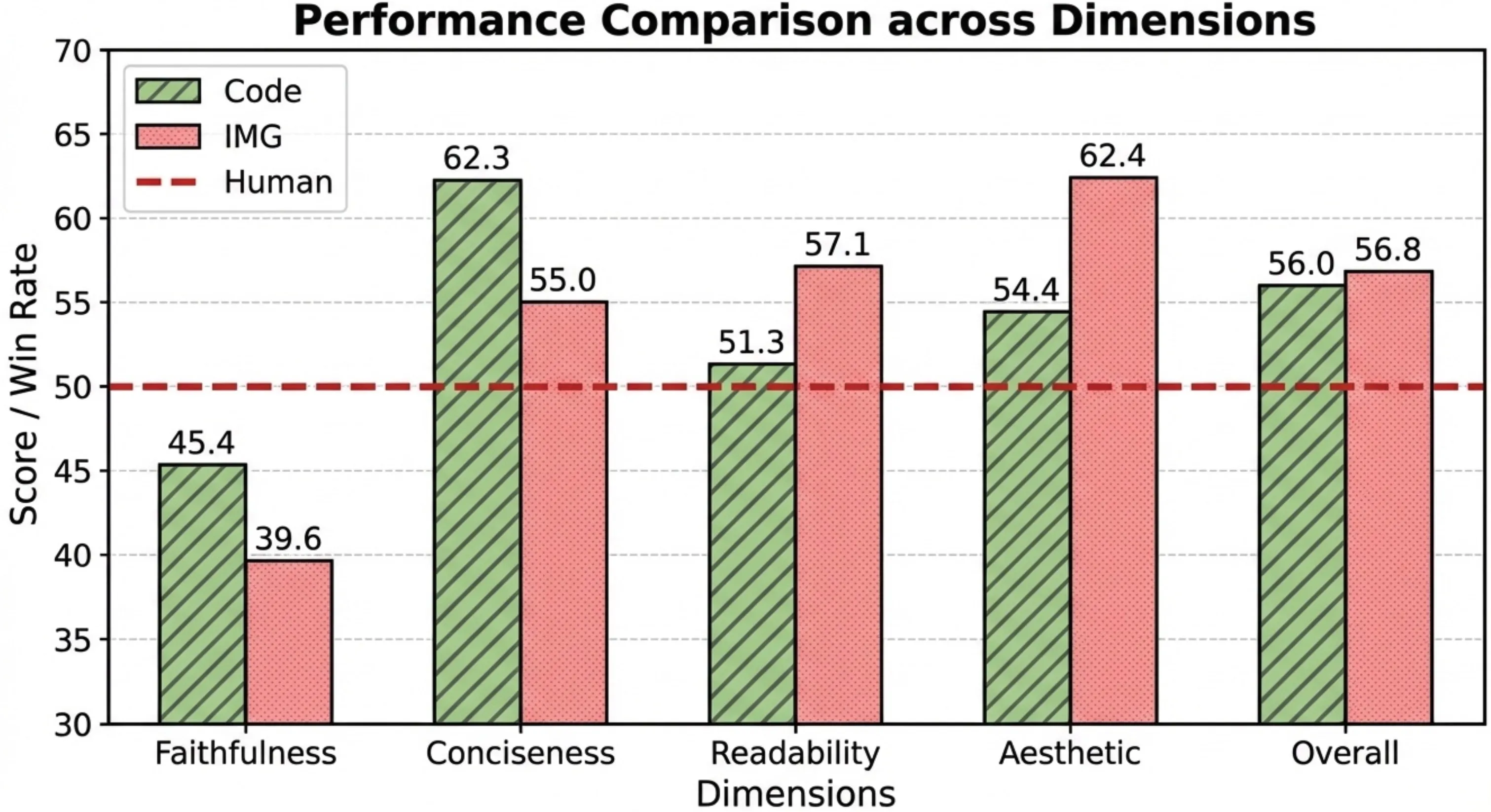
Performance comparison across coding and image dimensions
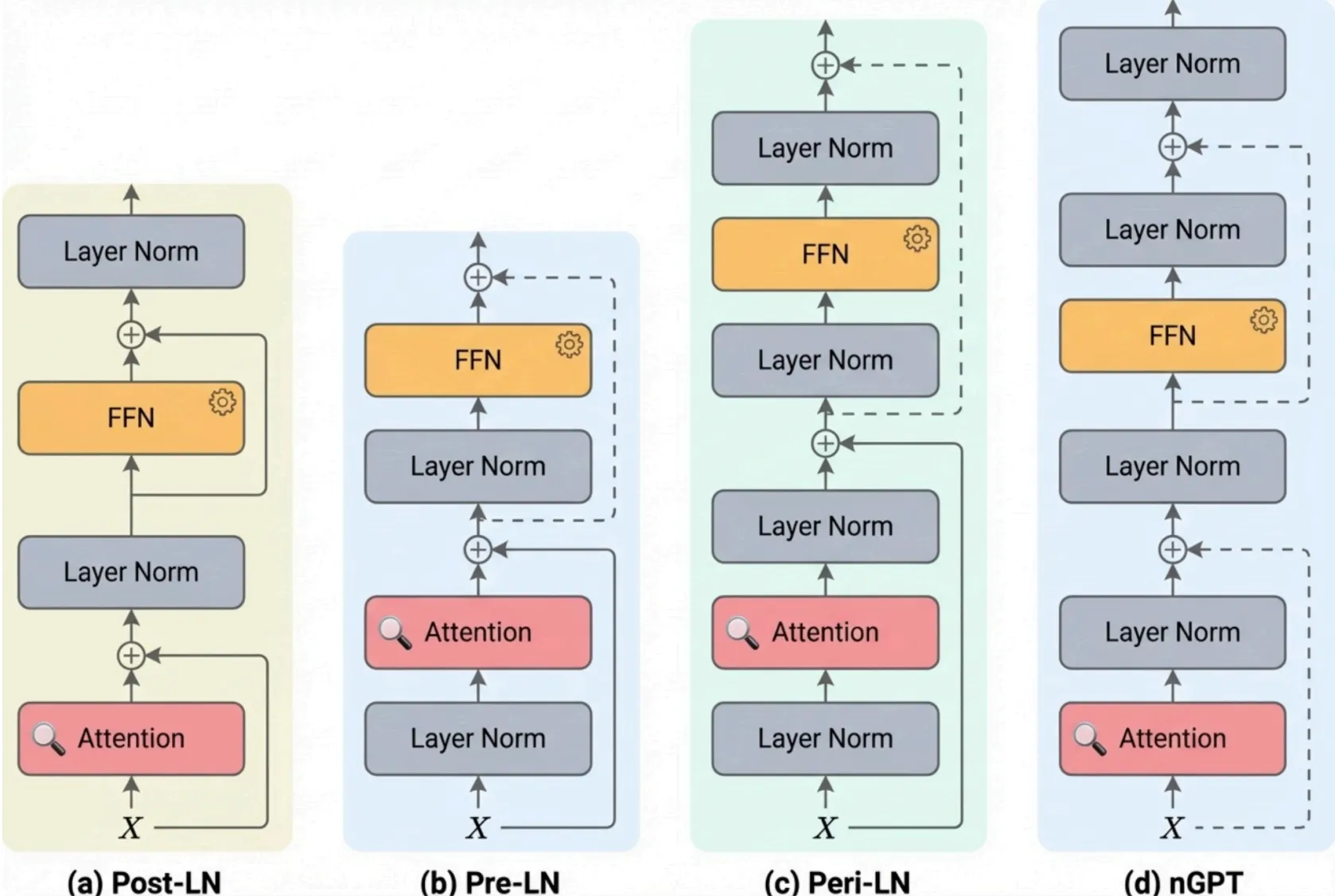
Aesthetically enhanced methodology diagram for publication
What PaperBanana is, and what it is not
This page is less about listing features and more about setting the right expectation for the product.
PaperBanana is not designed for open-ended visual ideation. It is meant for methodology figures, result plots, concept explainers, and figure cleanup inside academic and technical writing.
It helps researchers express structure more clearly, but it does not decide what the right experiment, narrative, or claim should be. The paper still needs a human author with standards.
The product is built around staged interpretation, styling, rendering, and review so the result reads more like a paper figure and less like a polished but irrelevant image.
The product principles behind the interface
Most figure tools optimize for visual flexibility. PaperBanana optimizes for research communication.
Boxes, arrows, grouping, labels, and reading order matter more than special effects. If a figure is beautiful but confusing, it failed.
A manuscript rarely contains just one figure. The system is designed so method figures, plots, and explanation visuals can feel like they belong together.
Advisors, collaborators, and reviewers always ask for changes. The workflow should make better variants cheap instead of forcing full redraws.
Why PaperBanana uses a multi-agent flow
A single prompt can produce an image. It usually cannot reliably interpret a method section, choose a usable visual structure, match a paper-friendly style, and review its own output with enough discipline. That is why PaperBanana separates the job into stages.
Retriever
Finds useful visual precedents so the generation process is grounded in paper-like references instead of starting from nothing.
Planner
Turns text or data into an explicit figure plan: components, hierarchy, connections, flow direction, and emphasis.
Stylist
Pushes the figure toward publication conventions through typography, spacing, contrast, and visual balance.
Visualizer
Produces the actual figure output. For quantitative views, plotting can be routed through executable logic rather than decorative guessing.
Critic
Checks whether the figure is faithful, readable, and complete enough to keep, or whether it needs another pass.
Where it fits in a paper workflow
PaperBanana is most useful in the middle of the work, when the research idea is already real but the figures are still dragging the paper down.
Use it to get rough-but-structured method figures and result visuals into the manuscript earlier, so the paper is easier to reason about while writing.
Use it to rescue figures that came from PowerPoint, screenshots, or mixed co-author styles and make them feel coherent.
Use it for the final pass where figure quality, consistency, and readability need to catch up with the rest of the manuscript.
Your unpublished work should stay yours
Paper text, experiment data, and figure inputs are processed for generation, not retained as a training asset. PaperBanana is built for researchers who often work on material that is unpublished, time-sensitive, or not yet ready to circulate.
If the paper is clear, the figures should be too
Use the generator when you need a figure now. Use the features page if you want to choose the right workflow first.